In our rush to embrace modern dietary trends — from keto to intermittent fasting — we often overlook the profound wisdom embedded in our own food traditions. Indian culinary practices, developed over thousands of years, are now being validated by cutting-edge nutritional science.
Traditional Practices Backed by Science
- Eating with hands: Stimulates nerve endings that aid digestion and helps you eat more mindfully
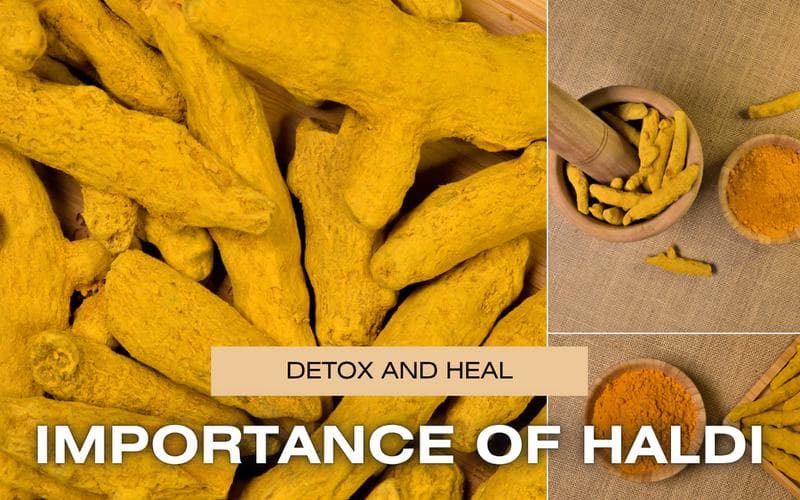
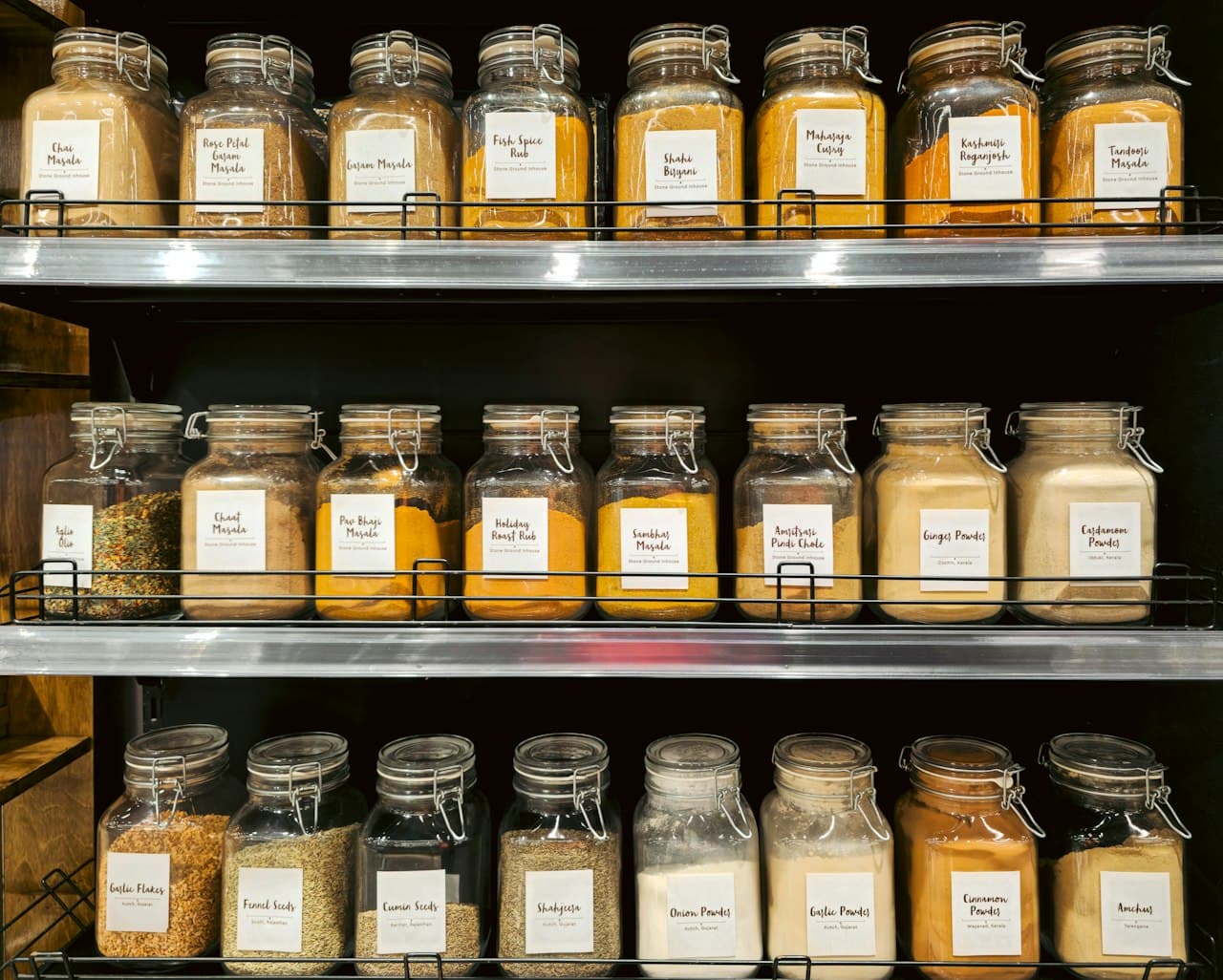
- Spice combinations: Turmeric with black pepper increases curcumin absorption by 2,000%. Our ancestors knew this instinctively.
- Seasonal eating: Ayurvedic principles of eating according to seasons align perfectly with modern concepts of eating local and seasonal produce
- Fermented foods: Dahi, kanji, idli, dosa — our traditional diet is rich in probiotics long before gut health became trendy
- Soaking and sprouting: Traditional practices of soaking dals and grains reduce anti-nutrients and enhance mineral absorption
The Thali Concept — Perfect Balanced Nutrition
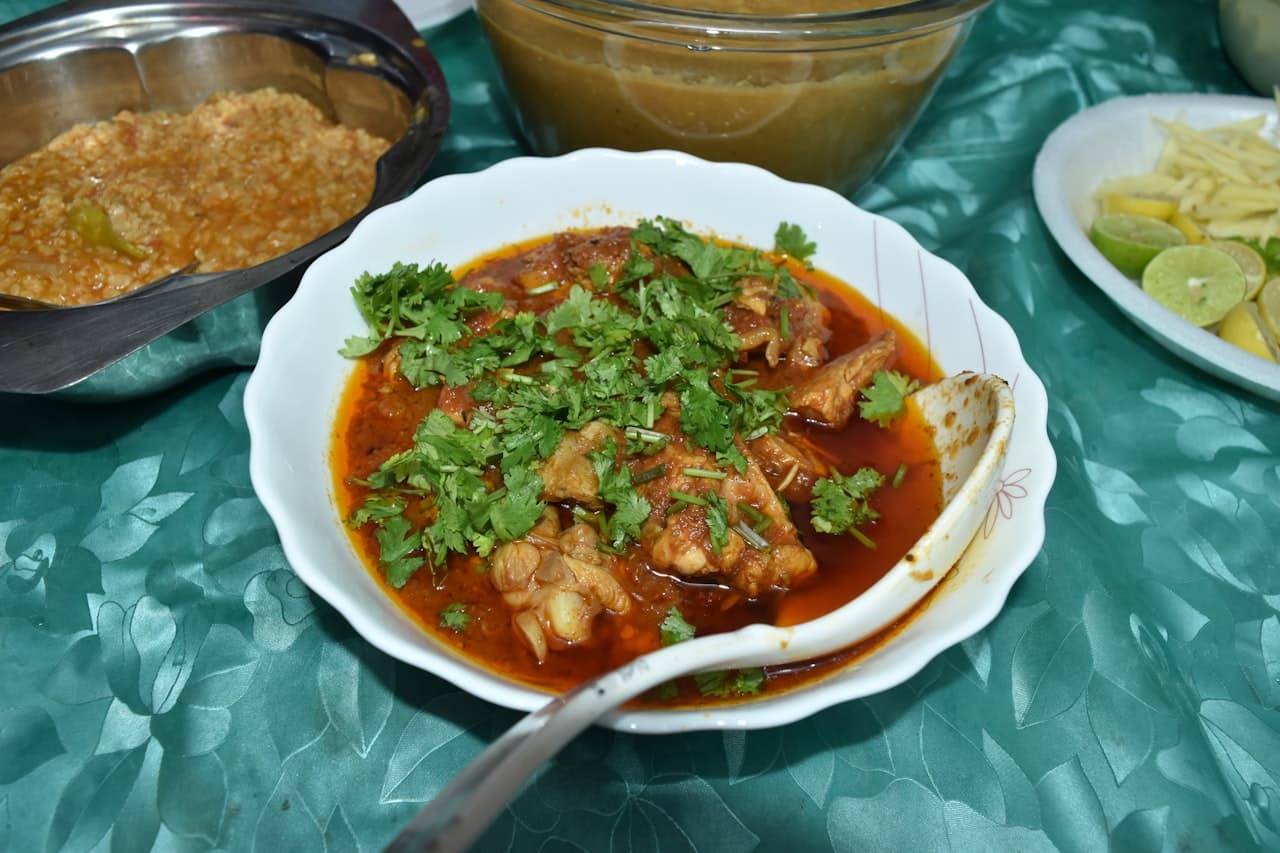
The traditional Indian thali is perhaps the most perfectly balanced meal concept in the world. It naturally includes all food groups: grains for energy, dal for protein, vegetables for vitamins and minerals, dahi for probiotics, ghee for healthy fats, and pickle for digestive enzymes.
Wisdom We're Rediscovering
Many "superfoods" trending globally have been staples in Indian kitchens for centuries:
- Turmeric lattes? We call it haldi doodh.
- Fermented foods trend? We've had dahi, achaar, and kanji forever.
- Intermittent fasting? Our culture has practiced Vrats (fasting) for millennia.
- Moringa powder supplements? It's our everyday drumstick (sahjan) sabzi.
The healthiest diet isn't found in a trending hashtag — it's been sitting in your grandmother's kitchen all along.
At Amrit Deol Nutrition, we believe in honouring these traditions while applying modern nutritional science to create plans that are both culturally relevant and scientifically sound.