
How Nutrition Can Assist You in Conceiving Quicker and Healthier 🌸🌱
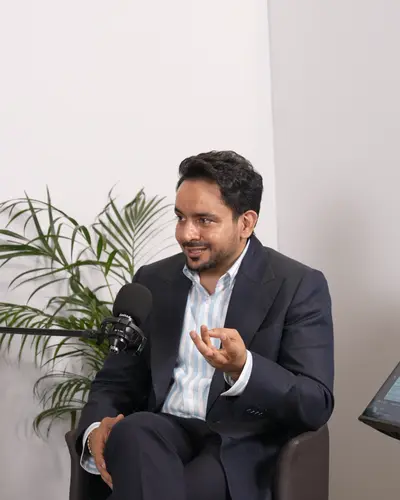
By Amrit Deol — Certified Nutritionist & Wellness Expert
"Bas dua karo aur sabr rakho — jo hona hoga, hoga." (Just pray and be patient — what is meant to happen, will happen.)
This is what most South Asian couples hear when conception is taking longer than hoped. It is said with love. It is said by people who genuinely want to comfort. And it carries real truth — patience and faith have their place in every journey to parenthood.
But what it also does, quietly, is close the door on a conversation that desperately needs to happen. Because between the prayer and the patience, there is something profoundly practical and deeply empowering that most couples are never told: the foods you eat in the months before conception have a direct, documented, measurable effect on your fertility, your hormonal health, your egg and sperm quality, and the health of the pregnancy and baby that follows.
This is not about replacing medical care. It is not about guaranteeing an outcome. Fertility is complex — it involves physiology, timing, age, and factors beyond anyone's control. But nutrition is one of the most powerful levers within your control. And for South Asian couples specifically, whose dietary patterns and specific nutritional vulnerabilities intersect in ways that directly affect reproductive health, understanding this is not optional.
This is the conversation no one had with you. Let's have it now.
✦ Why Nutrition Matters Before Conception — The Window That Changes Everything 🪟
Most people think of pregnancy nutrition as something that begins when the test turns positive. In reality, the most nutritionally critical window begins 3–6 months before conception.
Here is why: the egg that will become your baby takes approximately 90 days to mature before ovulation — a process called folliculogenesis. The sperm that fertilises it takes approximately 72–90 days to develop from stem cell to mature spermatozoa. During this entire developmental window, the quality, DNA integrity, and viability of both the egg and sperm are profoundly influenced by the nutritional environment they are maturing in.
Oxidative stress — caused by a diet high in processed food, refined sugar, seed oils, and low in antioxidants — damages the DNA of developing eggs and sperm. Nutritional deficiencies impair the hormonal signalling that regulates ovulation and implantation. Chronic inflammation disrupts the uterine environment that must receive and support the embryo.
The preconception period is not waiting. It is active biological preparation. And it is the time when nutritional intervention has the greatest return.
✦ The South Asian Fertility Landscape — What Makes Us Uniquely Vulnerable 🌿
South Asian couples face a specific set of nutritional and metabolic risk factors that directly affect fertility — and that are rarely addressed in generic conception advice.
PCOS is disproportionately prevalent. As discussed in the hormone blog, approximately 1 in 5 South Asian women have PCOS — driven largely by insulin resistance and androgen excess. PCOS is the leading cause of anovulatory infertility (failure to ovulate) in women. The dietary interventions that reverse insulin resistance directly improve ovulatory function and significantly increase conception rates in women with PCOS.
Vitamin D deficiency is near-universal in the diaspora. Vitamin D is not just a bone nutrient — it is a reproductive hormone that regulates the menstrual cycle, supports uterine receptivity to embryo implantation, improves sperm motility and morphology, and reduces miscarriage risk. South Asian women living at northern latitudes with indoor lifestyles are among the most Vitamin D-deficient populations on earth. This is a fertility factor that is almost universally unaddressed.
Iron deficiency anaemia is extremely common in South Asian women — particularly those with heavy periods (themselves often a symptom of hormonal imbalance). Severe iron deficiency impairs ovulation by disrupting the hormonal cascade that triggers it. Moderate iron deficiency reduces the uterine lining quality needed for successful implantation.
Folate status is frequently inadequate. The standard advice to take folic acid in early pregnancy is well-known — the advice to optimise folate status in the three months before conception is less so. Neural tube development begins at 21–28 days of gestation — often before a woman knows she is pregnant. Pre-conception folate loading is not optional; it is the standard of care.
Male fertility is underaddressed. In approximately 40–50% of couples experiencing difficulty conceiving, a male factor is involved — yet the cultural and clinical focus consistently falls on the woman. Sperm quality — motility, morphology, DNA fragmentation — is profoundly sensitive to nutrition, oxidative stress, heat exposure, and lifestyle factors. Addressing male nutrition is not a footnote. It is half the picture.
✦ Nutrition for Female Fertility — What Your Body Needs 🌸
🥬 Folate — The Non-Negotiable Foundation
Folate (Vitamin B9) is the most critical preconception nutrient for women — and the distinction between folate (the natural form in food) and folic acid (the synthetic form in most supplements) matters.
Natural folate from food is preferred by the body, particularly for women with the MTHFR gene variant (common in South Asian populations) who cannot efficiently convert synthetic folic acid. Food folate also comes packaged with other B vitamins that work synergistically.
Best desi folate sources:
- Dark leafy greens — palak, methi, sarson — all exceptionally high in folate
- Rajma and chana — among the richest legume sources
- Moong dal and masoor dal — eat daily without exception
- Eggs — particularly the yolk, which contains folate alongside choline
- Beetroot — a traditional Indian vegetable that is also one of the best folate sources available
The supplement bridge: A methylfolate supplement (the bioactive form) alongside food folate is recommended for most women in the preconception period — 400–800 mcg daily. Discuss the form with your nutritionist, particularly if you know you carry the MTHFR variant.
🩸 Iron — For Ovulation and Uterine Health
Iron deficiency is one of the most overlooked fertility factors in South Asian women. Studies published in Obstetrics & Gynecology found that women taking iron supplements had significantly lower risk of ovulatory infertility compared to those who did not — and that this effect was strongest for non-haem (plant-based) iron consumed alongside Vitamin C.
Best desi iron sources:
- Ragi (finger millet) — one of the richest plant iron sources available; make ragi roti, ragi porridge, or add ragi flour to atta
- Masoor and chana dal — always with a squeeze of nimbu for Vitamin C-enhanced absorption
- Spinach and methi — cook them rather than eating raw to reduce oxalate content that blocks iron absorption
- Jaggery — traditional iron supplement in liquid and solid form; use in place of sugar in chai and desserts
- Liver and red meat for non-vegetarians — the most bioavailable iron source available
☀️ Vitamin D — The Overlooked Reproductive Hormone
Vitamin D receptors are present in ovarian tissue, uterine cells, and placental cells. Its role in fertility is active and direct:
- Regulates the genes involved in follicle development and ovulation
- Improves endometrial receptivity — the uterine lining's ability to accept an implanting embryo
- Reduces the risk of polycystic ovarian morphology in PCOS
- Significantly associated with successful IVF outcomes in multiple studies
- Reduces first-trimester miscarriage risk
Action: Get your Vitamin D levels tested before trying to conceive. Target a blood level of 50–70 nmol/L minimum for optimal fertility. Supplement with 2000–4000 IU of D3 daily alongside Vitamin K2 (MK-7 form) and take with a fat-containing meal (the ghee or dahi in your next meal handles this perfectly).
🥚 Healthy Fats and Cholesterol — The Hormone Raw Material
Every reproductive hormone — oestrogen, progesterone, LH, FSH — is synthesised from cholesterol. Dietary fat is not the enemy of fertility; it is the foundation of it. Women who have followed very low-fat diets for extended periods often have disrupted hormonal cycles because the body lacks the raw material to produce adequate reproductive hormones.
Best fertility-supportive fats:
- Desi ghee — fat-soluble vitamins and butyric acid for gut and hormonal health
- Walnuts and flaxseed — omega-3 fatty acids that reduce inflammation and support prostaglandin balance (prostaglandins regulate uterine contractions and menstrual function)
- Avocado — oleic acid and Vitamin E for uterine health
- Full-fat dahi and paneer — the fat matrix supports hormonal production and calcium absorption
- Coconut oil — lauric acid with anti-inflammatory properties
What to reduce: Refined seed oils (sunflower, soybean, corn oil) used in commercial cooking are high in omega-6 fatty acids that promote inflammatory prostaglandins implicated in endometriosis, painful periods, and implantation failure. Cook in ghee, mustard oil, or cold-pressed coconut oil.
🌿 Antioxidants — Protecting Egg Quality
Oxidative stress is one of the primary mechanisms through which egg quality deteriorates — particularly relevant for women in their mid-to-late 30s, women with PCOS or endometriosis, and anyone who has been exposed to significant environmental or dietary oxidative load.
The antioxidant nutrients most directly protective of egg quality:
- Vitamin C — from amla (fresh or powdered daily), nimbu, and green vegetables. Directly protects the ovarian follicle environment from oxidative damage
- Vitamin E — from almonds, walnuts, sunflower seeds, and ghee. Works synergistically with Vitamin C in the follicular fluid
- CoQ10 — found in small amounts in meat, fish, and legumes; supports mitochondrial function in maturing eggs (mitochondria are the energy engines of the egg cell — their function is a primary determinant of egg quality). CoQ10 supplementation of 200–600mg daily is one of the most evidence-backed interventions for egg quality, particularly in women over 35
- Selenium — from Brazil nuts (two per day provides the full requirement), eggs, and fish. Required for antioxidant enzyme function and thyroid health — both critical for fertility
- Zinc — from pumpkin seeds, sesame, legumes, and meat. Required for egg maturation, cell division, and early embryo development
🌾 Inositol — The PCOS Fertility Game-Changer
For women with PCOS, myo-inositol deserves a prominent mention. Inositol is a naturally occurring compound (technically a B-vitamin relative) found in wholegrains, legumes, citrus, and nuts. It improves insulin signalling in ovarian tissue, reduces testosterone levels, restores ovulatory function, and improves egg quality in women with PCOS.
Multiple randomised controlled trials have demonstrated that myo-inositol supplementation restores regular ovulation in a significant proportion of women with PCOS — comparable to metformin in some studies, with a much better side-effect profile.
Food sources: Chickpeas, kidney beans, whole wheat, citrus fruit, cantaloupe melon. Supplement dose: 2–4g of myo-inositol daily (often combined with D-chiro-inositol in a 40:1 ratio) — discuss with your nutritionist.
🧘 Blood Sugar Balance — The Cycle Regulator
For any woman — not just those with PCOS — blood sugar instability disrupts the hormonal cascade that regulates ovulation. Insulin spikes trigger androgen production in the ovaries, which interferes with follicle development and can prevent ovulation entirely.
The preconception blood sugar protocol:
- Protein at every meal — start every meal with the protein first
- Never eat refined carbohydrates alone — always with fat, protein, or fibre
- Soaked methi seeds every morning on an empty stomach
- Bajra or jowar rotis in place of wheat rotis where possible
- Apple cider vinegar (1 tsp in a small glass of water) before the largest meal of the day — blunts the post-meal glucose spike
✦ Nutrition for Male Fertility — The Half the Conversation That Gets Skipped 💙
A healthy pregnancy requires a healthy sperm as much as a healthy egg. Sperm DNA fragmentation — damage to the genetic material within the sperm — is a primary cause of early miscarriage and IVF failure, and it is directly and powerfully responsive to nutritional intervention.
🌰 Zinc — The Testosterone and Sperm Production Mineral
Zinc is the single most important mineral for male reproductive function. It is required for testosterone synthesis, sperm production, sperm motility, and the integrity of the sperm DNA packaging proteins (protamines) that protect genetic material from damage.
South Asian men on vegetarian or predominantly vegetarian diets are at elevated risk of zinc deficiency — plant-based zinc from legumes is less bioavailable than animal-source zinc due to phytates. Soaking and cooking legumes reduces phytate content and improves zinc absorption.
Best sources: Pumpkin seeds (the richest plant source), sesame seeds, til chikki, meat and shellfish for non-vegetarians, eggs, dal and legumes in generous daily quantities.
🥜 Selenium and Vitamin E — The Sperm Motility Duo
Selenium is required for the production of selenoproteins that protect sperm from oxidative damage and are directly involved in sperm tail (flagella) development — the structure that drives motility. Low selenium is associated with poor sperm motility and increased DNA fragmentation.
Two Brazil nuts daily provides the full selenium requirement. Eggs, fish, and sunflower seeds are additional sources.
Vitamin E works synergistically with selenium to reduce sperm oxidative damage. Almonds, sunflower seeds, and ghee are the practical desi sources.
🐟 Omega-3 Fatty Acids — The Sperm Structure Builders
The sperm head membrane is rich in DHA — an omega-3 fatty acid. DHA concentration in the sperm head is directly correlated with sperm motility and fertilisation capacity. Low dietary omega-3 is associated with sperm with poor membrane integrity and reduced fertilisation potential.
Best sources for men: Fatty fish (salmon, sardines, mackerel) 2–3 times weekly if non-vegetarian. Walnuts, flaxseed, and chia seeds for vegetarians. An algae-based DHA supplement is worth considering for vegetarian men who do not eat fish — algae is the primary source from which fish accumulate their omega-3.
🌿 Lycopene — The Prostate and Sperm Protector
Lycopene — the antioxidant that gives tomatoes their red colour — concentrates in the testes and has strong protective effects against sperm DNA damage. Multiple studies show that lycopene supplementation significantly improves sperm count, motility, and morphology, and reduces DNA fragmentation.
Importantly, lycopene is more bioavailable from cooked tomatoes than raw — another instance where Indian cooking practice (tomato puree in every sabzi, roasted in tadka) turns out to be nutritionally superior to eating tomatoes raw.
Desi lycopene sources: Tamatar (tomato) cooked in ghee or oil — a foundation of North Indian cooking. Pink guava — exceptionally high in lycopene. Watermelon when in season.
❌ What Men Should Reduce for Better Sperm Health
- Alcohol: Reduces testosterone, impairs zinc absorption, and generates oxidative stress in testicular tissue. Even moderate consumption has measurable effects on sperm parameters
- Heat exposure: Laptops on laps, long hot baths, and tight underwear raise scrotal temperature — which impairs sperm production. Sperm require a temperature 2–4°C below core body temperature
- Processed and ultra-processed food: The oxidative and inflammatory load directly damages sperm DNA
- Excess soya in very high quantities: The phytoestrogen concern for fertility is more relevant for men consuming very large amounts (multiple servings daily) than for women. Moderate soya consumption is not a concern
✦ The Preconception Kitchen — A Week of Fertility-Supporting Eating 🍽️
This is not a rigid meal plan. It is a framework — showing what fertility nutrition looks like when it is woven naturally into a desi lifestyle.
Everyday Foundations (Both Partners)
- Warm water with soaked methi seeds or amla powder on waking
- A breakfast with protein — eggs, besan cheela, dahi with nuts — never skipped
- Dal at lunch, every day — generous portion, with nimbu
- A handful of mixed nuts and seeds mid-afternoon — walnuts, almonds, pumpkin seeds, til
- Dahi at lunch or dinner daily
- Haldi in every cooked meal
- Ghee in cooking — not oil
- Fresh fruit — amla, guava, seasonal — daily
For Her Specifically
- Ragi in the weekly rotation — ragi roti, ragi porridge
- Methi sabzi or methi dal twice a week
- Dark leafy greens daily — palak, methi, sarson
- Full-fat dairy daily — paneer, dahi, milk
- Vitamin D supplement with the fattiest meal of the day
- Methylfolate supplement 400–800mcg daily
For Him Specifically
- Two Brazil nuts daily — non-negotiable for selenium
- Fatty fish or algae DHA supplement twice a week for non-vegetarians and vegetarians respectively
- Tomatoes cooked in ghee in at least two meals a week
- Pumpkin seeds — a tablespoon daily in dahi or as a snack
- Reducing or eliminating alcohol in the 3-month preconception window
✦ What to Avoid in the Preconception Period ⚠️
- Refined sugar and maida: Drive insulin resistance, disrupt hormonal balance, increase oxidative stress on developing eggs and sperm
- Excess caffeine: Studies show more than 200mg of caffeine daily (approximately 2 cups of coffee or 3–4 cups of strong chai) is associated with reduced fertility in women and poorer sperm quality in men
- Alcohol: For women, no safe preconception limit has been established. For men, reduce significantly in the 3-month window before trying
- Processed seed oils: Pro-inflammatory; replace with ghee, mustard oil, or coconut oil
- Environmental toxins: Plastics (avoid heating food in plastic, switch to steel or glass containers), pesticide-heavy produce (wash thoroughly, choose organic where possible for key items), synthetic fragrance and chemical cleaning products (disrupt endocrine function)
✦ The Emotional Dimension — Nourishing the Whole Person 🤍
The journey to conception can be one of the most emotionally demanding experiences a couple goes through — and this is particularly true in the South Asian context, where family pressure, cultural expectation, and the weight of community opinion can make what is already tender and private feel very public and very fraught.
I want to say something clearly: this information is empowerment, not pressure. It is not a suggestion that difficulty conceiving is your fault, or that eating better will guarantee the outcome you want. Fertility is complex. Some factors are beyond anyone's control. What nutrition offers is an optimisation of everything within your control — and the knowledge that you did everything you could to create the best possible conditions.
Chronic stress — including the specific stress of trying to conceive — raises cortisol, disrupts ovulation, impairs implantation, and reduces sperm quality. Managing stress is not a luxury in the preconception period; it is a clinical priority. The nutrition strategies in this blog, the ashwagandha, the magnesium, the blood sugar stability, the gut health — all of these support the nervous system alongside the reproductive system. They work together.
Be as gentle with yourself as you are with the intention you are holding. Nourish your body, support your nervous system, take care of your partnership, and let the rest unfold in its own time. 🌸
Want a personalised preconception nutrition plan designed for both you and your partner? Book a 1:1 consultation with Amrit Deol — compassionate, culturally grounded guidance for every stage of your journey to parenthood.
Disclaimer: This blog is for informational purposes only and does not constitute medical advice. Fertility challenges should be assessed by a qualified physician or fertility specialist. Always consult your doctor or a qualified nutritionist before beginning supplements or making significant dietary changes during the preconception period.
© 2026 Amrit Deol — Certified Nutritionist & Wellness Expert