Weight Management

What No One Tells You About Solo Dieting

20 Apr 20265 min readUpdated 1 May 2026

In short

Solo dieting — making food changes without the support of others in your household — can be genuinely harder than people expect. Managing separate meals, resisting food that others around you are eating, and staying motivated without shared accountability are real challenges. Building simple routines that fit your household and finding other sources of support can make a meaningful difference.

What No One Tells You About Solo Dieting
Share

Over time, this creates frustration. You feel deprived. You feel left out. And eventually, it becomes harder to stay consistent. Not because you lack discipline but because the approach itself isn’t realistic.

Real Health Fits Into Real Life

True health doesn’t demand that you isolate yourself. It adapts to your lifestyle, your culture, and your environment.

Sitting down with your family, eating the same meal, and still working toward your health goals is not only possible, it’s powerful. Because consistency thrives in environments that feel normal, not restrictive.

It’s Not About Fancy Foods

There’s a common myth that “healthy eating” requires expensive ingredients, exotic recipes, or perfectly curated salads. In reality, some of the most nourishing meals are the simplest ones like dal, roti, sabzi, rice, homemade dishes prepared with balance and care.

Health is less about what looks good on social media and more about what works for your body, every single day.

Small Shifts, Big Impact

You don’t need a completely different meal. You need awareness and balance.

Maybe it’s adjusting portions.
Maybe it’s adding more vegetables.
Maybe it’s being mindful of oils or sugars.

These small, practical shifts allow you to enjoy the same food as your family, without feeling restricted or deprived.

The Emotional Side of Eating

Food is more than nutrients. It’s connection. It’s culture. It’s comfort.

When you remove yourself from shared meals, you’re not just changing your diet, you’re missing out on moments that matter. And that emotional disconnect can make the journey feel heavier than it needs to be.

A More Sustainable Way Forward

What if health didn’t mean eating alone?
What if it meant building habits that fit into your life not the other way around?

Because the truth is, the most effective approach is the one you can sustain. The one that doesn’t feel like punishment. The one that allows you to live fully while taking care of your body.
Frequently asked questions

Why is it harder to diet when your family or household is not following the same plan?
When the people around you are eating differently, you face more decisions, more temptations and less built-in social support. This does not make it impossible, but it does require more planning and a clearer understanding of your own habits and triggers.
How can I manage eating differently from my household without cooking separate meals every day?
One practical approach is to identify a base meal that works for everyone, then adjust your own portion of individual components. For example, eating less rice or roti while having the same dal and vegetables as the rest of the family reduces preparation effort while still supporting your goals.
What do I do when social meals or gatherings make it hard to stick to my plan?
Rather than trying to avoid social situations, have a small strategy ready — eat something before you go, focus on the vegetables and protein options available, and do not stress about one occasion. Consistency across most days matters more than perfection at every meal.
Is it possible to make sustainable changes without the support of people I live with?
Yes, though it can take more intentional effort. Clear personal reasons for change, simple habits that fit into your existing routine and occasional support from a professional or a community outside the household can all help sustain motivation over time.
When should I consider working with a dietitian for solo dieting?
If you have tried making changes on your own and keep reverting to old patterns, or if you have a specific health condition that requires a more structured plan, working with a qualified dietitian can help you build an approach that fits your life rather than an ideal one.
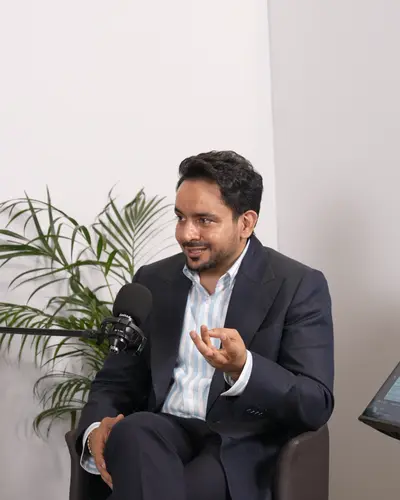
Amrit Deol, NIS certified clinical nutritionist and dietitian, Chandigarh

Written by

Amrit Deol

NIS Certified Clinical Nutritionist & Dietitian

Amrit Deol is an NIS certified clinical nutritionist based in Chandigarh, India, who provides online Indian diet plans for weight loss, diabetes, PCOS and thyroid to clients in India, Canada, the USA, the UK, Australia and the UAE. He is a nutritionist associated with the Punjab Cricket Association, was featured as a Titan of Punjab by 94.3 MY FM in 2026, and reaches more than 650,000 people on Instagram and 22 million views on YouTube.